From Idea to Investor Deck: Structuring a Civic Tech Product from Scratch
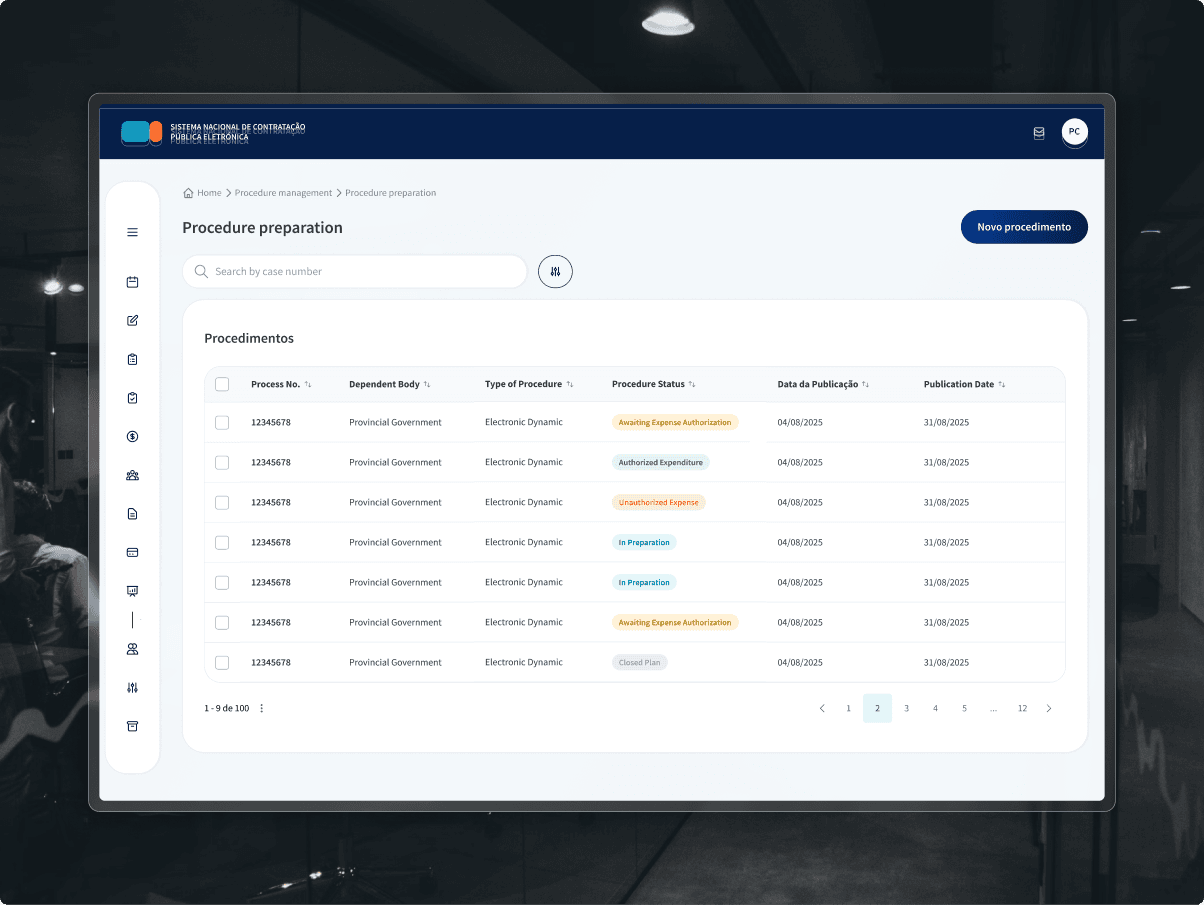
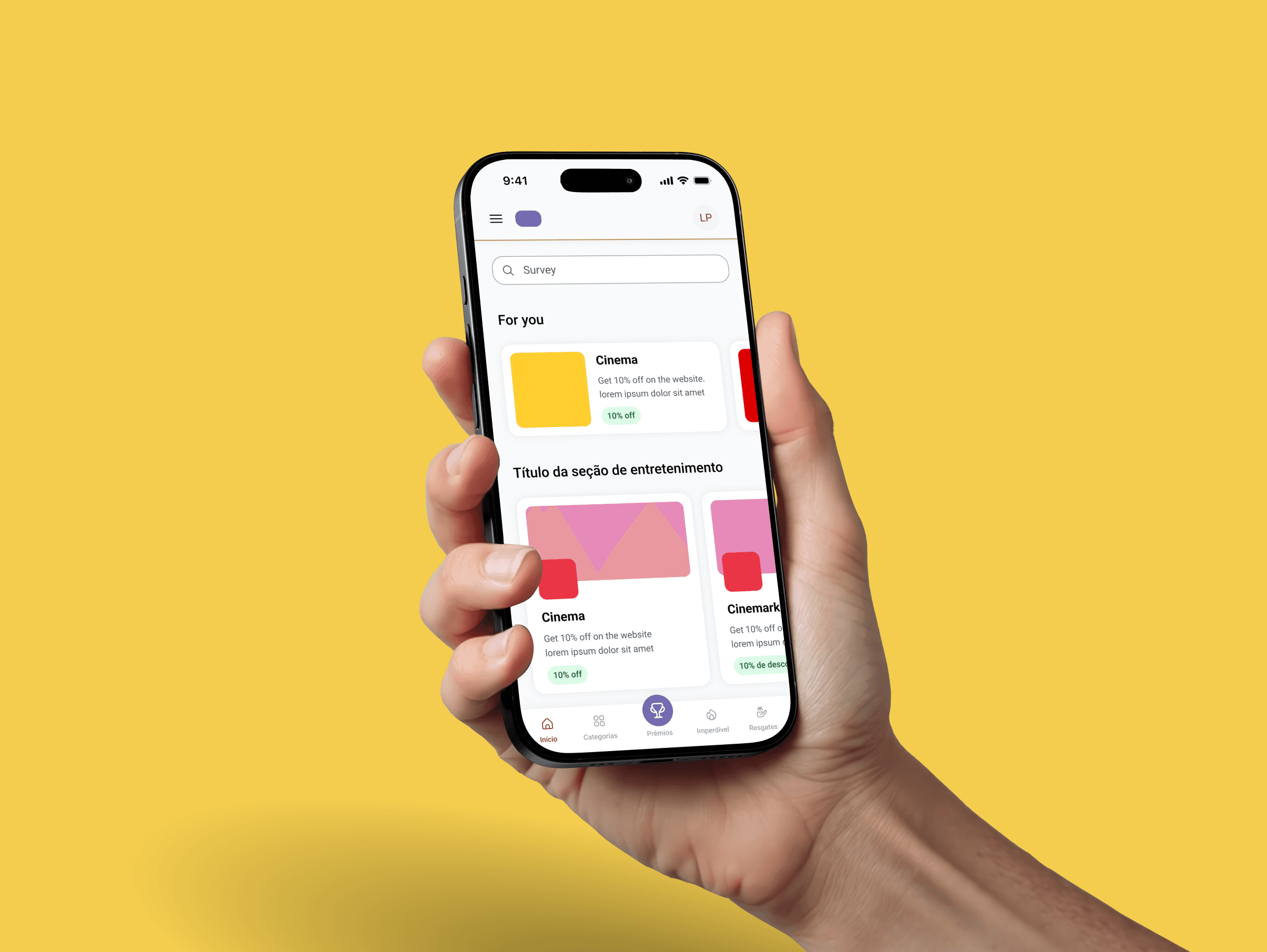
This project was developed under a Non-Disclosure Agreement (NDA). To protect intellectual property and client data, all sensitive information, brand names, and visual identities have been altered or anonymized. The structure and UX logic remain faithful to the original project.

Challenge
A civic technology founder had a clear vision but no product structure to back it up. The challenge was not just design: it was building the foundation that would let the idea survive contact with investors, partners, and real users.
- No product framework: The idea existed in conversation but had not been translated into documented user journeys, feature scope, or a development path. Investors and technical partners needed something concrete to evaluate.
- Unclear scope and prioritization: Without a defined MVP, every feature felt equally important. The risk was building too much, too slowly, with no validated learning along the way.
- The market was not obvious: Civic tech sits at the intersection of public interest and product design. Benchmarking the landscape nationally and internationally was necessary before any feature decisions could be grounded in reality.
Process
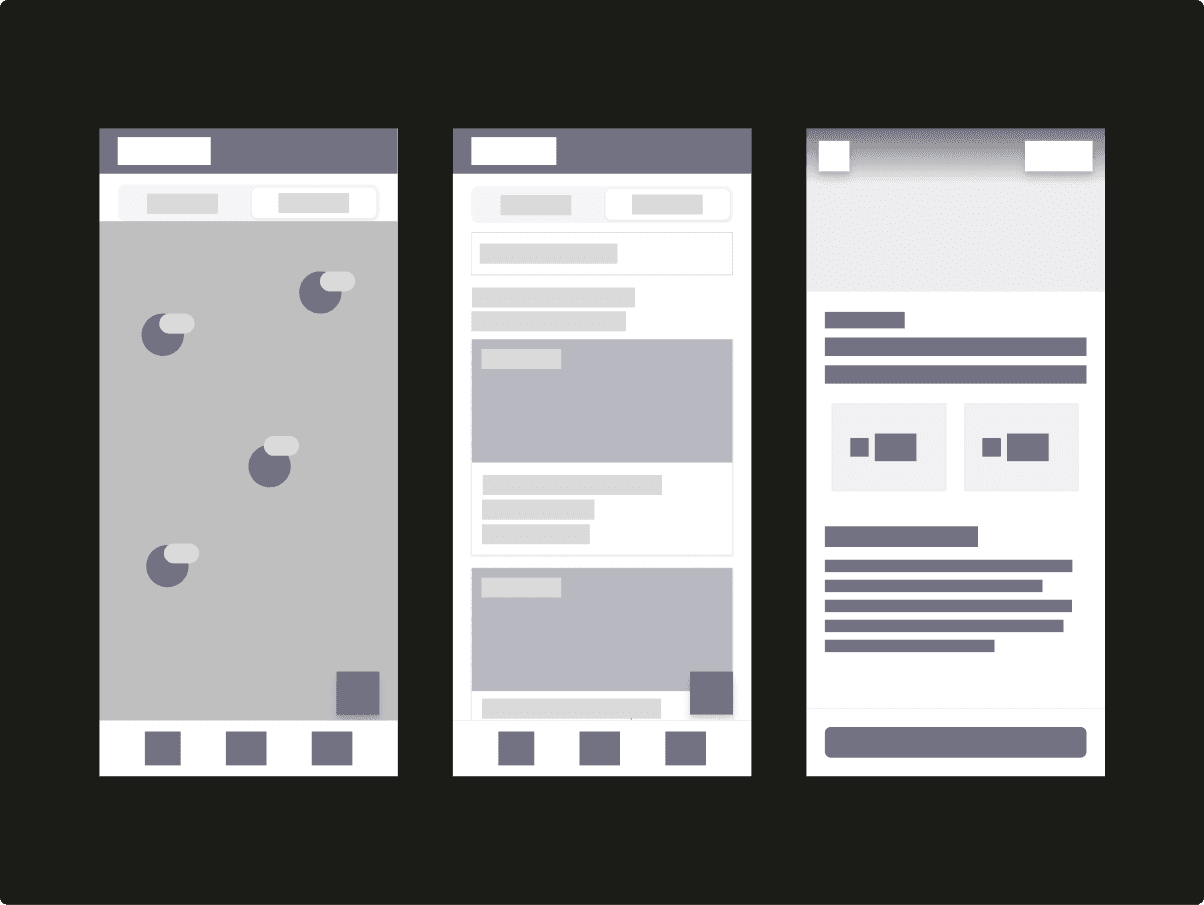
Intensive product discovery compressed into a focused sprint, with documentation and prototyping running in parallel.
- Market benchmarking: Mapped civic tech solutions at the national and international level to identify positioning gaps and inform feature prioritization with real competitive context.
- User persona development: Built user profiles grounded in the civic context: citizens, public sector stakeholders, and partner organizations. Each persona had a distinct set of goals, pain points, and constraints.
- Strategic documentation: Produced Market Vision, Discovery, and Strategy documents alongside a prioritized product backlog. These materials served both internal alignment and external investor conversations.
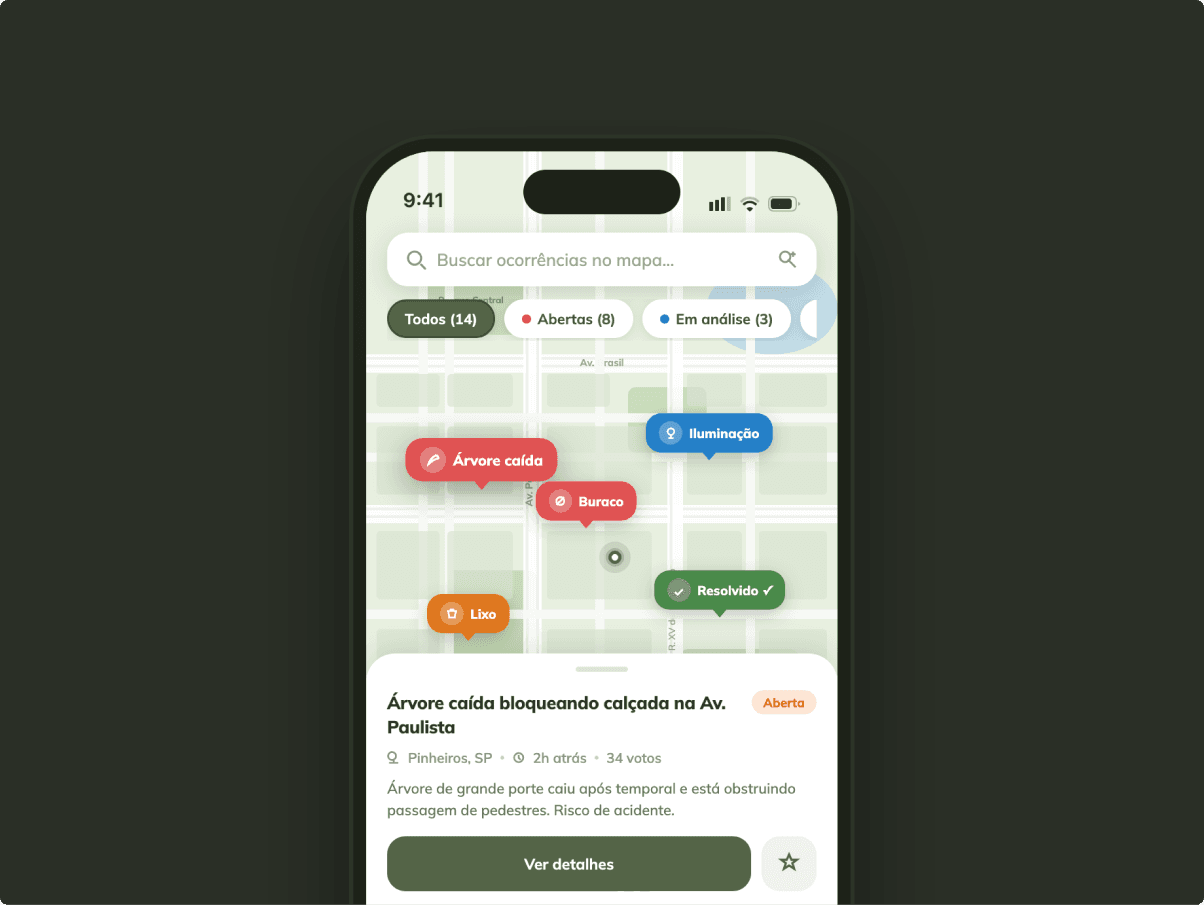
- High-fidelity prototype: Built a navigable prototype in Figma to simulate the core user experience, giving the founder a tangible artifact to present and test before committing to development.
Results
- Concept to structured product: The founder moved from an undocumented idea to a structured product with a defined MVP, a validated feature scope, and materials ready for investor and partner conversations.
- Investor-ready deliverables: Strategic documents and a high-fidelity prototype gave external stakeholders something concrete to assess, reducing reliance on verbal explanation alone.
- Clear validation pathway: The MVP scope isolated the features with the highest learning value, so the team could move forward without building everything at once.