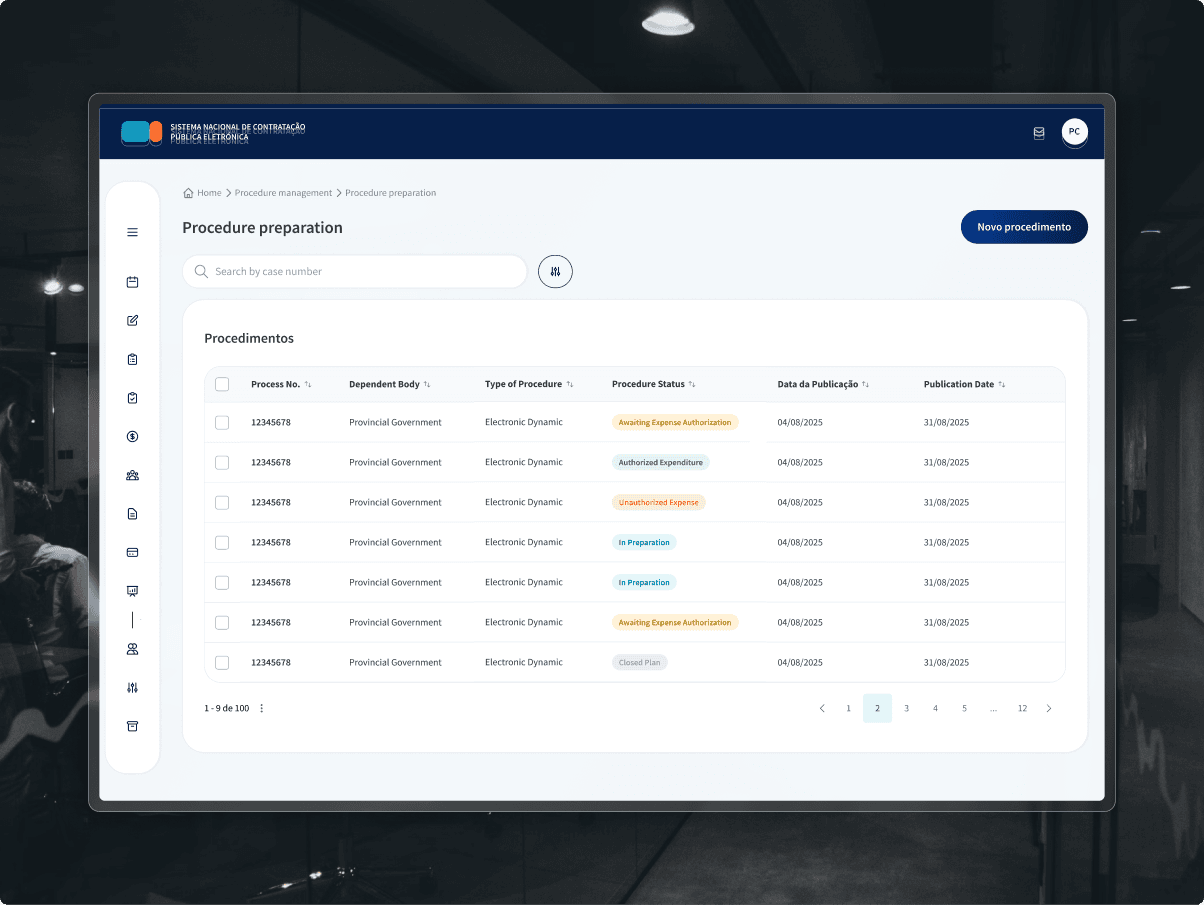
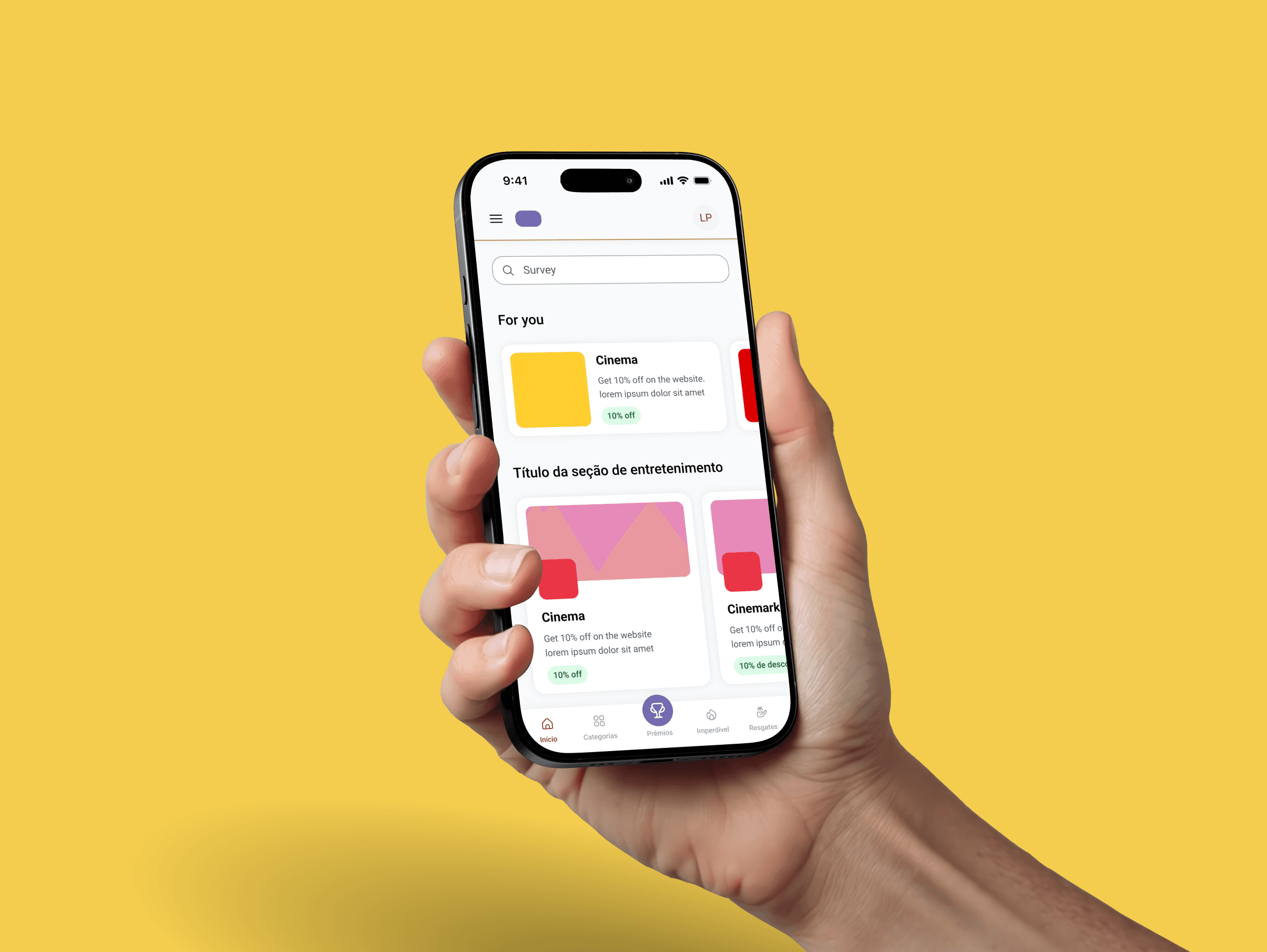
250 Screens, 41 Workflows: Designing a Municipal Health ERP
This project was developed under a Non-Disclosure Agreement (NDA). To protect intellectual property and client data, all sensitive information, brand names, and visual identities have been altered or anonymized. The structure and UX logic remain faithful to the original project.
Challenge
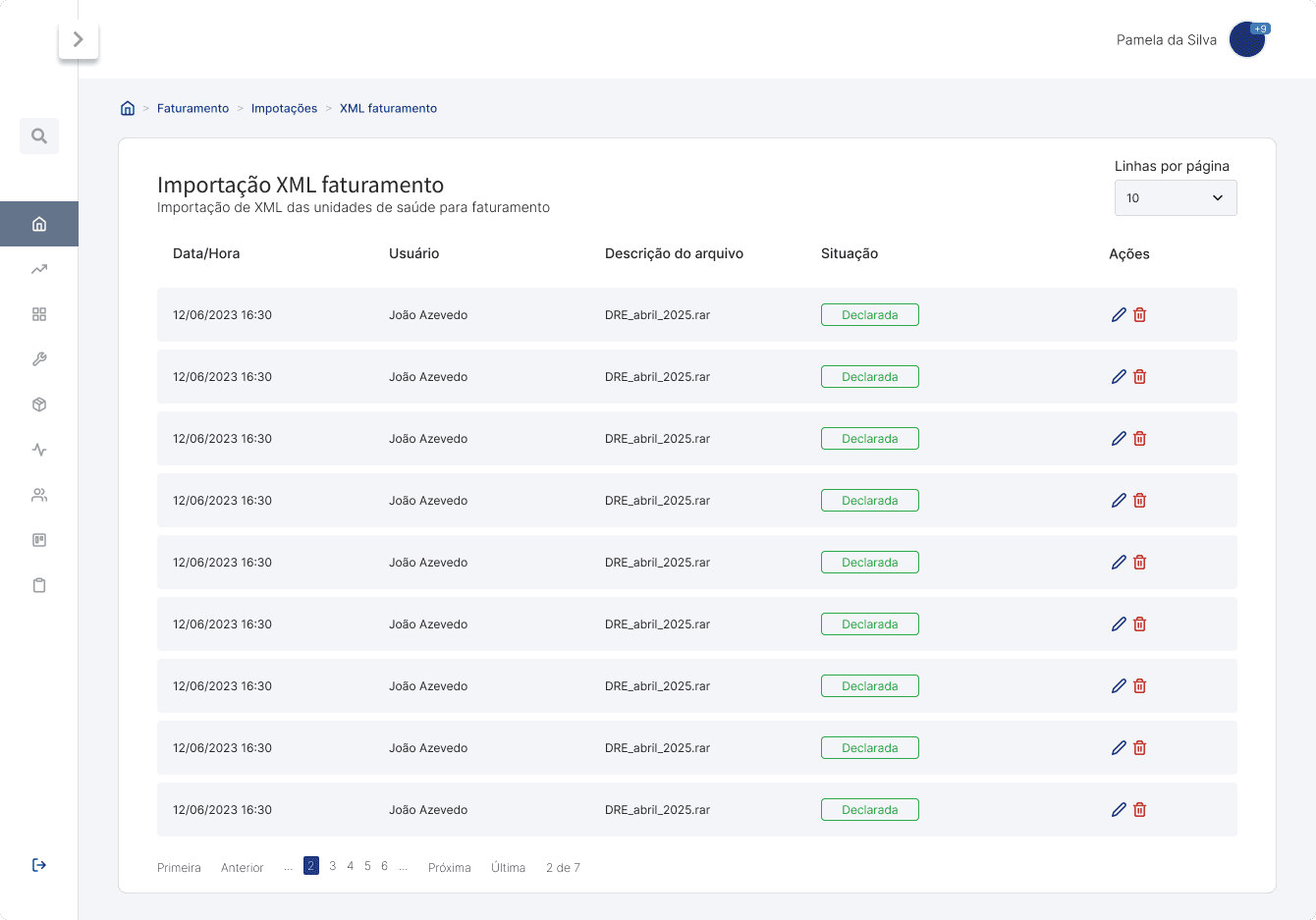
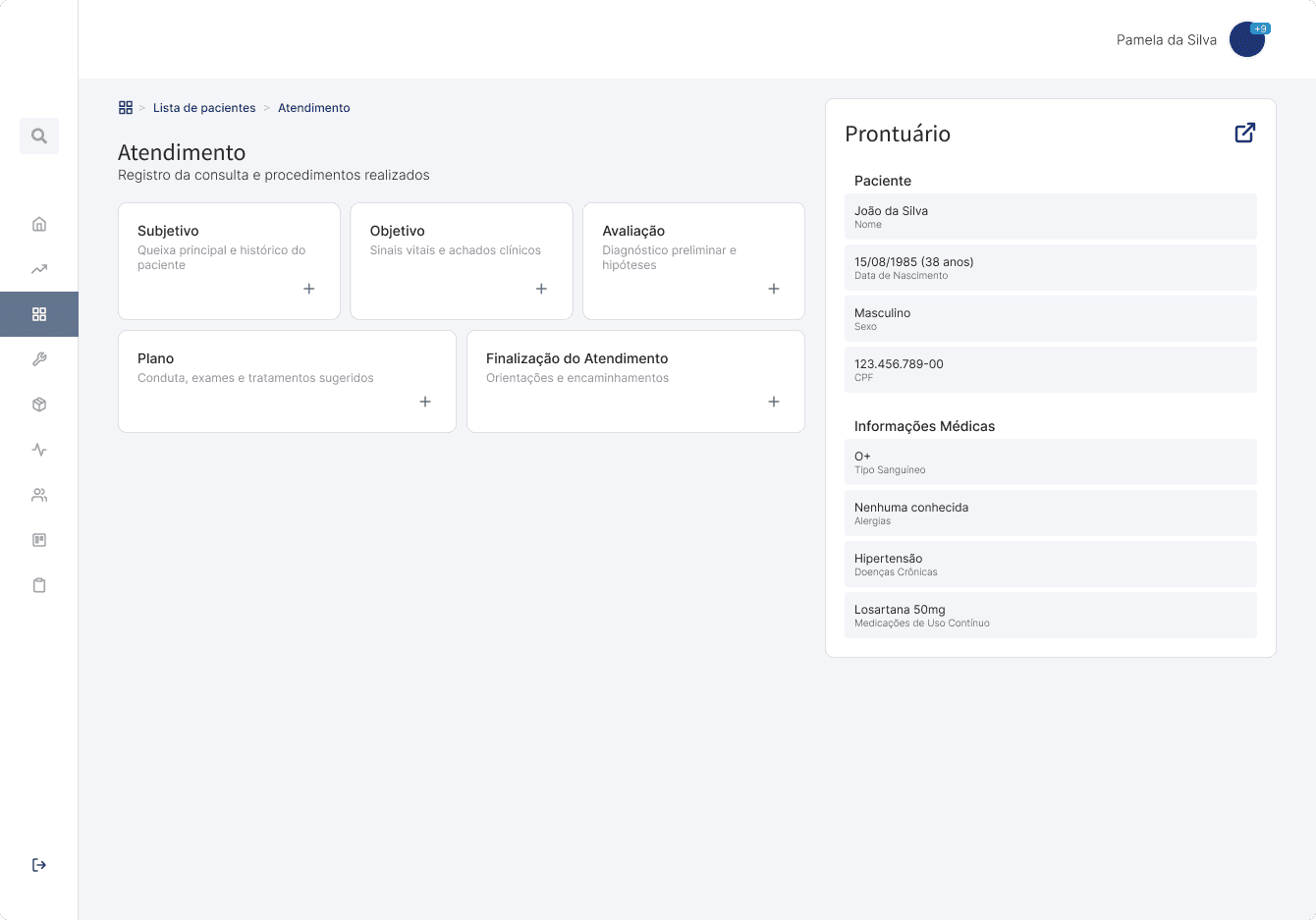
A public health management platform built to simplify healthcare administration in Brazilian municipalities. The system is SUS-compliant and integrates with the federal government's core health infrastructure: e-SUS, Hórus, CADWEB, and CNES. It covers emergency care, electronic medical records, scheduling, pharmacy, vaccination, billing (BPA and RAAS), and telemedicine.
- Regulatory complexity: Every feature had to meet SUS rules and integrate with multiple federal systems. Design decisions were not just UX choices: they had direct compliance implications for municipalities that rely on the platform to qualify for federal health funding.
- Many different users, one system: Doctors, nurses, pharmacists, receptionists, municipal health managers, and citizens all use the platform with completely different needs, permissions, and workflows. Designing for this diversity without fragmenting the experience was the core design challenge.
- Hundreds of screens to keep consistent: The platform spans the full cycle of public health management. Maintaining visual and functional consistency across that surface required a structured approach from the start.
Process
I joined as Product Designer responsible for end-to-end UX/UI across the platform.
- 29 interviews across user profiles: Conducted research sessions with healthcare professionals and municipal managers to map real workflows, pain points, and regulatory constraints before touching any interface.
- Journey mapping by profile: Mapped the full workflow for each user type separately, then identified where they overlap and where they diverge. This was the foundation for designing a unified system that still feels purpose-built for each role.
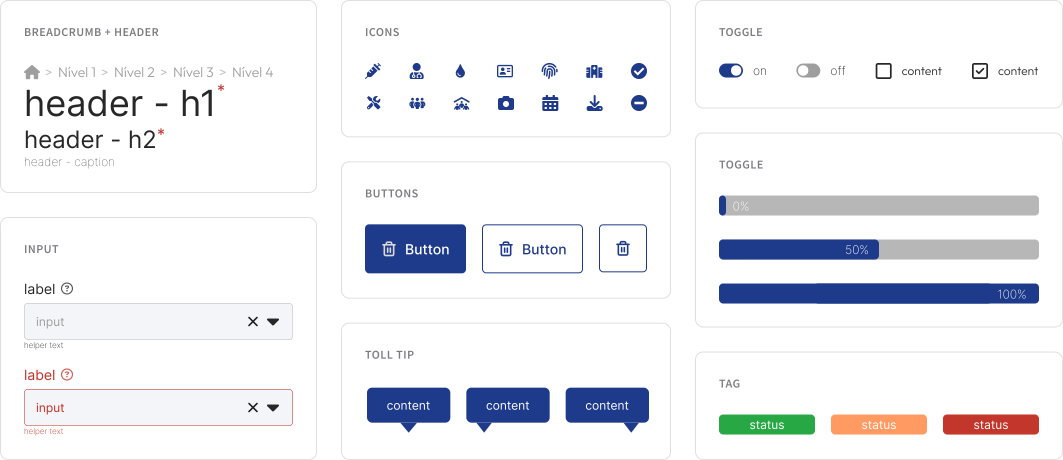
- Atomic Design component system: Built the design system using Atomic Design principles so components could be reused across all 41 workflows without duplicating design work or creating inconsistencies.
- High-fidelity prototypes with conditional variables: Delivered fully navigable prototypes in Figma using conditional variables to simulate real system behavior, including role-based access and workflow branching.

Results
The platform is active in São Paulo state municipalities including Itapevi, Cotia, Guarujá, Jaú, Ibiúna, and Hortolândia, and continues expanding through public procurement.
- +250 screens: Covering the complete health management lifecycle.
- +47 components: In a shared design system reused across all workflows.
- 41 workflows: Mapped and designed for all critical user journeys.
- 100% navigable prototype: Delivered for user testing and stakeholder validation before development.
- 29 interviews: Conducted across user profiles to ground every design decision in real usage.